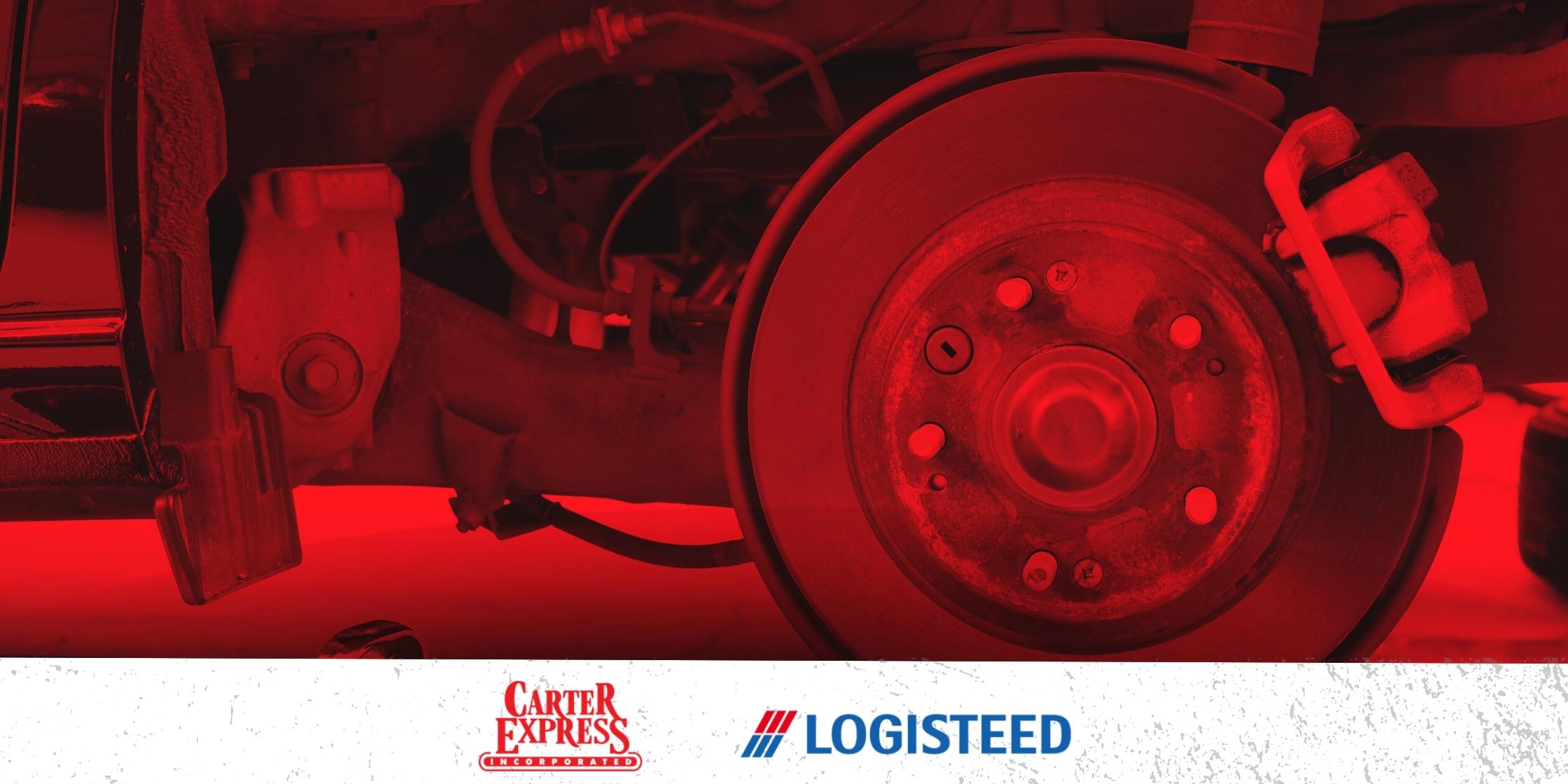
Cold weather puts extra strain on your truck’s braking system. Learn how freezing temps, moisture, and road salt affect brake performance—and what drivers can do to prevent problems. From air system moisture and parking brake issues to stopping distance and winter inspections, this guide shares practical brake care tips to help CDL drivers stay safe, in control, and ready for winter conditions.
When winter hits full force, your truck doesn’t get to take a snow day — and neither do the demands of the road. Freezing temperatures, ice, road salt, slush, and constant moisture can all take a toll on you requipment, especially your braking system.
Brakes are one of the most important safety components on your rig year-round, but cold weather adds extra stress that can lead to reduced performance, faster wear, and unexpected issues if you’re not paying attention.
Truck drivers don’t just “get through winter” — they stay ready for it. That means understanding how cold conditions affect your brakes and taking a few smart steps to protect your rig, your load, and everyone sharing the road with you.
Why Winter Is Harder on Your Brakes
Your brakes are built to handle pressure, heat, and constant use — but winter introduces factors that can make even a well-maintained system work harder.
Here’s what cold weather can do:
The good news? Most winter brake issues are preventable with the right habits and awareness.
1. Watch for Air System Moisture (And Drain It When Needed)
If you drive a truck with air brakes, moisture is always a concern — but it’s especially dangerous in freezing temps.
When moisture builds up in the air system, it can freeze inside valves or air lines. That can lead to sluggish brake response or, in worst cases, brakes not releasing properly.
Smart winter habit
Even with air dryers doing their job, winter is the season to stay extra alert.
2. Don’t Ignore Slow Brake Response
If you notice your brakes feel “different” in the cold —even slightly — don’t brush it off. Some warning signs include
Winter conditions already increase stopping distance. A brake system that’s not responding normally can quickly become a safety issue.If something feels off, report it early. A small issue caught at the right timecan prevent a major repair later.
3. Be Careful with Parking Brakes in Freezing Conditions
Parking brakes are critical, but in icy conditions they can sometimes create problems if moisture is present around components.
In cold temps, you may run into issues like
This doesn’t happen every time — but when it does, it can cause delays, frustration, and unnecessary wear.
Winter tip:
When parking in freezing weather, choose your spot wisely when possible. Avoiddeep slush or areas with standing water that can freeze around your wheels.
4. Avoid Riding the Brakes on Slick Roads
Winter driving is all about staying smooth — and that includes braking. Riding the brakes unnecessarily can:
Instead, focus on:
The more gradual your braking, the more stable your rig stays — and the safer your drive becomes.
5. Pay Attention to Brake Noise and Vibration
Cold weather can make certain sounds more noticeable, but consistent brake noise should never be ignored.
Watch for
Some noise can come from moisture, ice, or road debris —but repeated sounds may indicate wear or a developing issue. If you’re hearing it more than once, it’s worth getting checked.
6. Keep an Eye on Brake Components During Pre-Trip Inspections
Pre-trip inspections matter every day — but in winter, they matter even more. During cold-weather months, pay special attention to:
Brakes and tires work together. Even the best brake system can’t overcome poor traction — which is why winter inspections should always include both.
7. Give Yourself More Stopping Distance Than You Think You Need
This one sounds obvious, but it’s the biggest winter braking mistake truck drivers make: not adjusting stopping distance enough.
Snow and ice can turn a normal stop into a long slide, especially with
A little extra space buys you more time, more control, and more options.
Rule of thumb:
If roads look questionable, start increasing your distance early — before youfeel like you “need” to.
8. Stay Ahead of Maintenance—Not Behind It
Cold-weather brake care isn’t just about driving habits.It’s also about making sure small wear issues don’t become winter breakdowns.
Winter can accelerate:
If something seems unusual, it’s better to report it sooner than later. Winter is not the season to “wait and see.”
Winter Brake Care = Winter Safety
When the temperatures drop, your braking system becomes even more important than usual — because you’re fighting both road conditions and the added strain of winter wear.
Safe driving starts with truck drivers who take pride in their equipment and stay alert to what their truck is telling them. Cold-weather brake care is one of the smartest ways to protect your rig, reduce risk, and stay ready for whatever winter throws your way.
Because in freezing temps, it’s not just about stopping — it’s about staying in control the entire way there.
For us, safety isn’t just a priority — it’s part of how we operate year-round. If you’re looking for a driving career with a company that supports you through every season, consider joining the Carter Express team.